
18 KiB
Structured Logging and Your Team
- 期号: SRE Weekly Issue #109(2018-02-11)
- 作者: —
- 链接: https://honeycomb.io/blog/
简介
Structured logging can bring a lot of uniformity to your infrastructure, as lovingly explained in this article. Snyk explains how that uniformity allows for a standardized troubleshooting methodology that helps them get to the bottom of most problems in minutes.
Instead of focusing on the individual intricacies of each part of our system, we train on the common tools to be used for almost every kind of problem.
正文
Honeycomb Blog

AI Norms & Values, Part 3 of 3: Things We Hold True
The final part of Honeycomb's AI Norms & Values series: the principles the company holds true about AI as a tool, ownership of work, and rising standards; how it actually uses AI day to day; usage patterns for respecting each other's time; and where it stands on AI's ethical externalities like energy use, IP, bias, and wages.
Featured
AI Norms & Values, Part 2 of 3: AI for Honeycomb Engineering

Fin's CTO on Building Great Engineering Organizations in the AI Era
AI Norms & Values, Part 1 of 3: How We Do Business at Honeycomb

What Comes After Observability?
Explore Blog
AI Norms & Values, Part 3 of 3: Things We Hold True
The final part of Honeycomb's AI Norms & Values series: the principles the company holds true about AI as a tool, ownership of work, and rising standards; how it actually uses AI day to day; usage patterns for respecting each other's time; and where it stands on AI's ethical externalities like energy use, IP, bias, and wages.
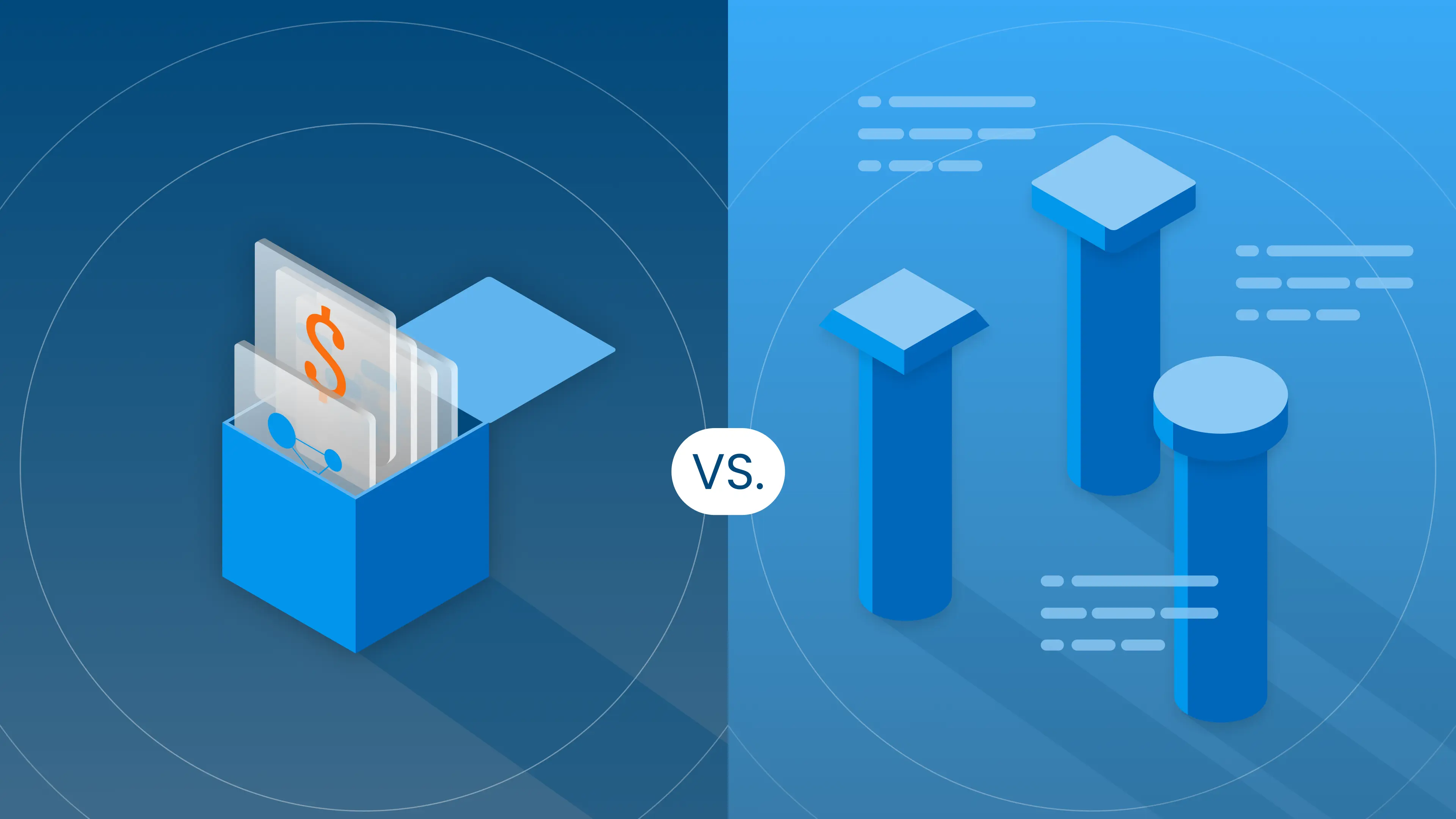

Wide Events vs. Three Pillars: AI Observability Costs
AI agents make telemetry costs harder to predict. This post compares the three pillars against the wide event model, and explains why wide events keep AI observability costs predictable without sacrificing the context engineers need.
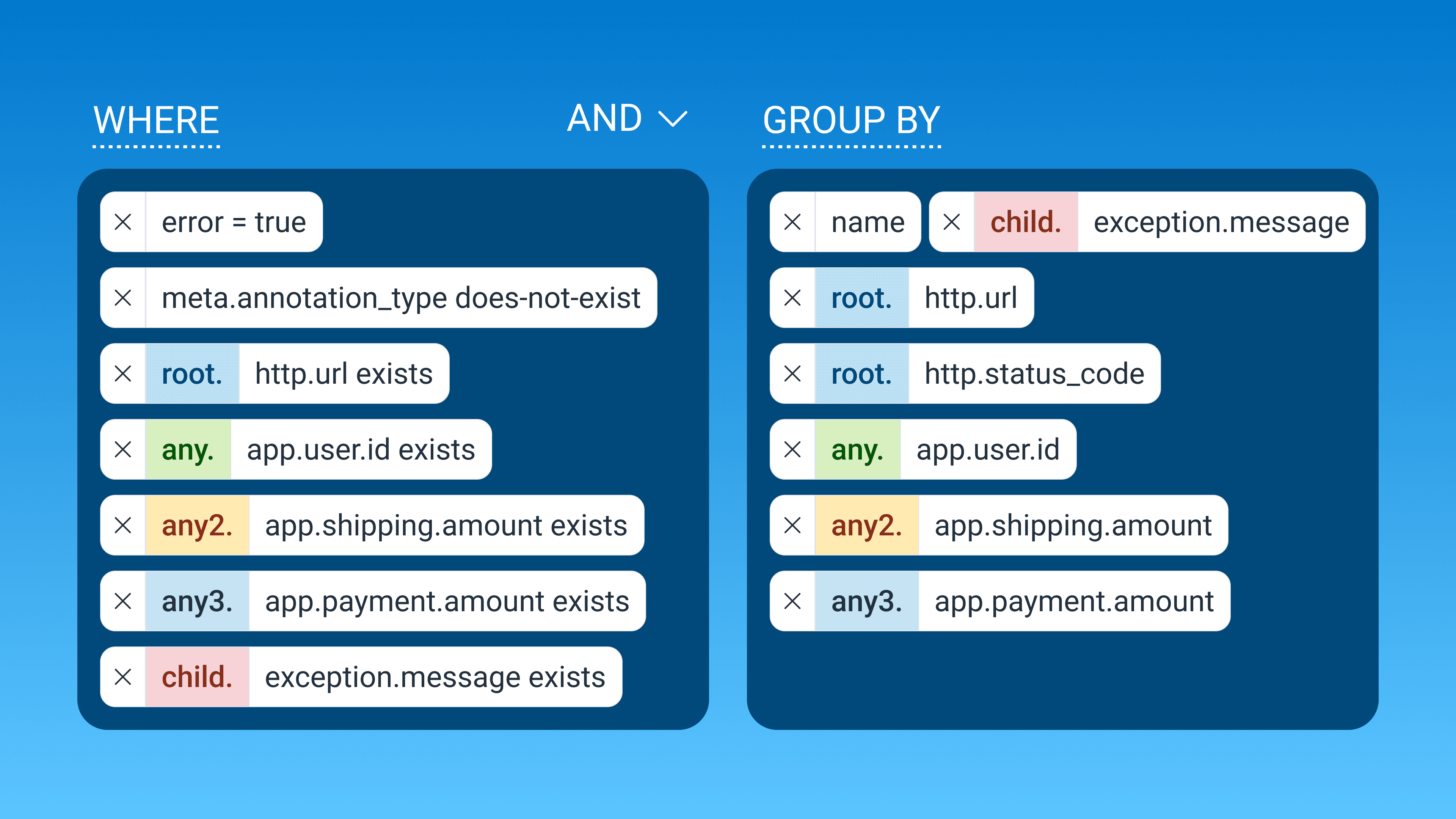

Relational Query Superpowers
See how Honeycomb's relational query keywords—root, parent, child, any, any2, any3, and none—let you pull attributes from anywhere in a single trace into one query, walked through with a real checkout-error investigation.
AI Norms & Values, Part 2 of 3: AI for Honeycomb Engineering
Charity Majors shares a note from Emily Nakashima, SVP of Engineering, on why Honeycomb's engineering org is going all in on AI, the north star it's aiming for, and an honest FAQ about what that means day to day.
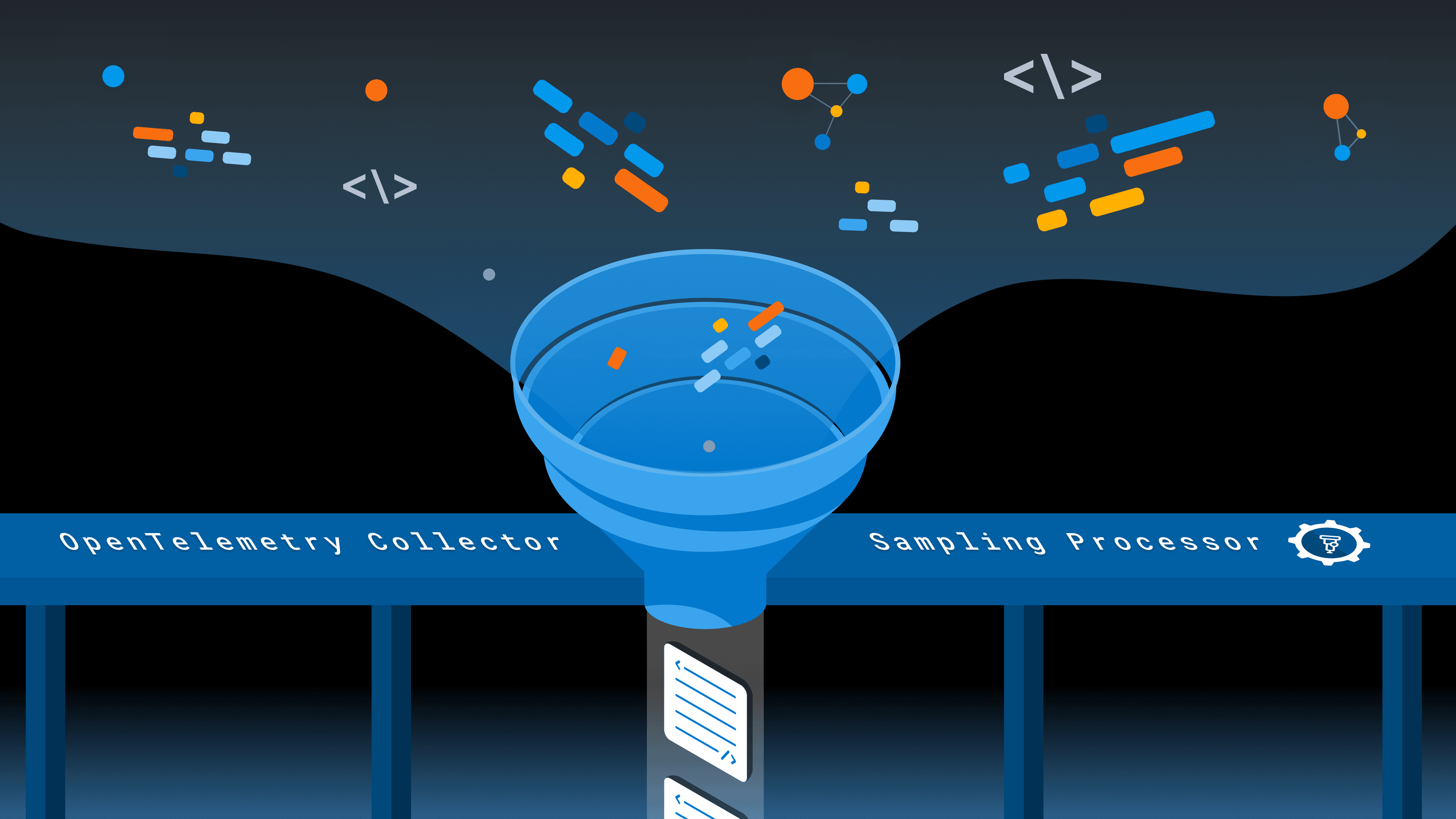

Bringing the Most Advanced Sampling to the OpenTelemetry Collector
Honeycomb is donating its adaptive tail sampling processor, built on years of Refinery experience, to the OpenTelemetry Collector. See how adaptive sampling, trace fingerprinting, and sample rate attribution work, and how to try it today with the Honeycomb Collector Distribution.
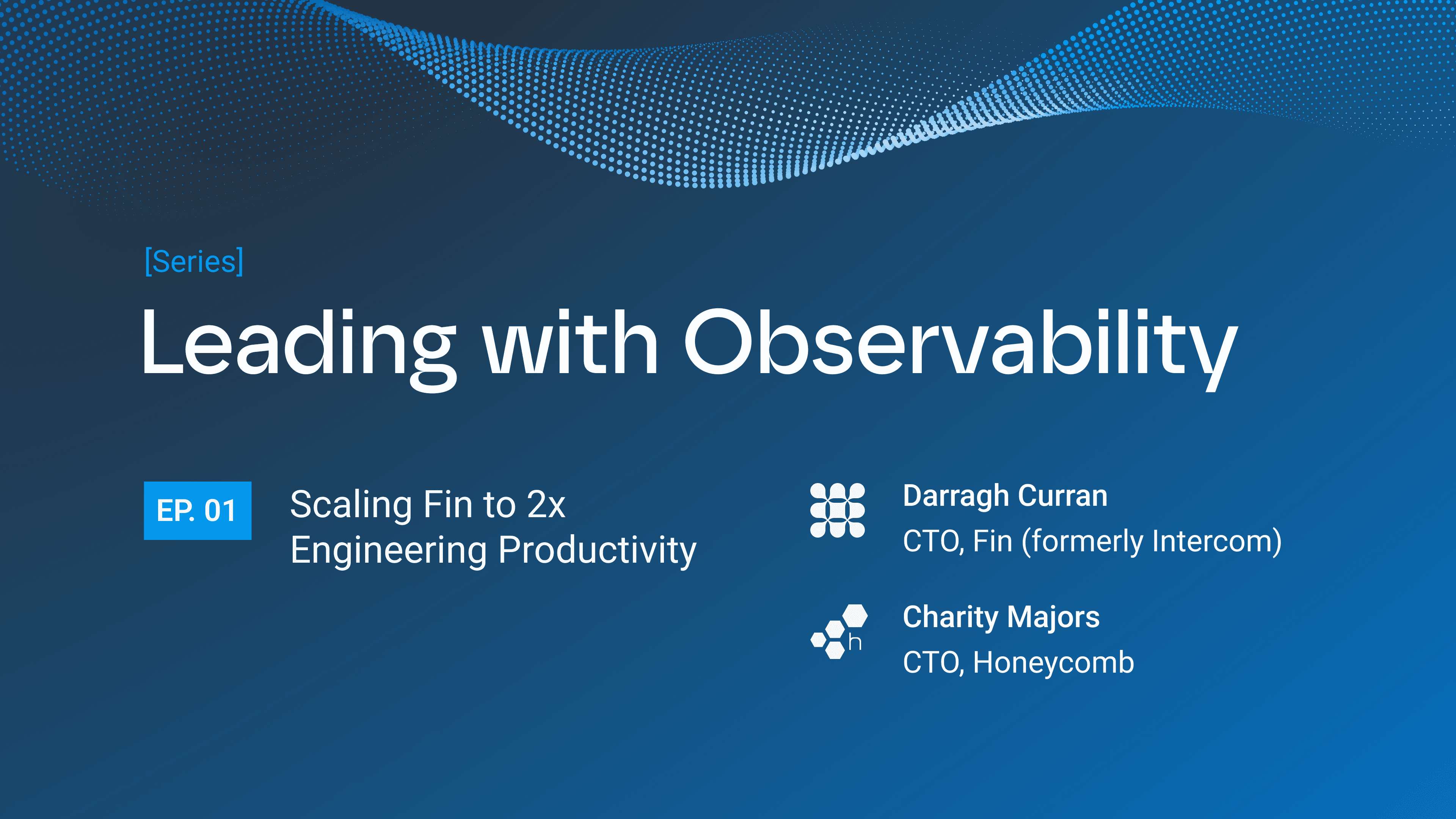
Fin's CTO on Building Great Engineering Organizations in the AI Era
Fin (formerly Intercom) CTO Darragh Curran set a public goal to double engineering productivity—and nearly tripled it. In the first episode of Leading With Observability, he talks with Charity Majors about AI-driven PR review, hands-on leadership through the transition, and why observability is the trust mechanism that makes it all work.


7 Best Datadog Alternatives for AI and Agent Observability
Comparing Datadog alternatives for AI and agent observability? See how Honeycomb, New Relic, Dynatrace, Grafana Cloud, Phoenix, Langfuse, and SigNoz stack up on cost, investigation, and OpenTelemetry support.
AI Norms & Values, Part 1 of 3: How We Do Business at Honeycomb
It's been a year since Honeycomb issued its AI mandate. Charity reflects on what that produced, why AI isn't special (it just amplifies what's already there), and shares the first of three new documents on Honeycomb's AI norms and values: how we do business.


How I Support Humans in the AI Era
A remote engineering manager on why she didn't write a new AI policy for her team. Instead, she created space: for connection, for collaboration, and for discussion.
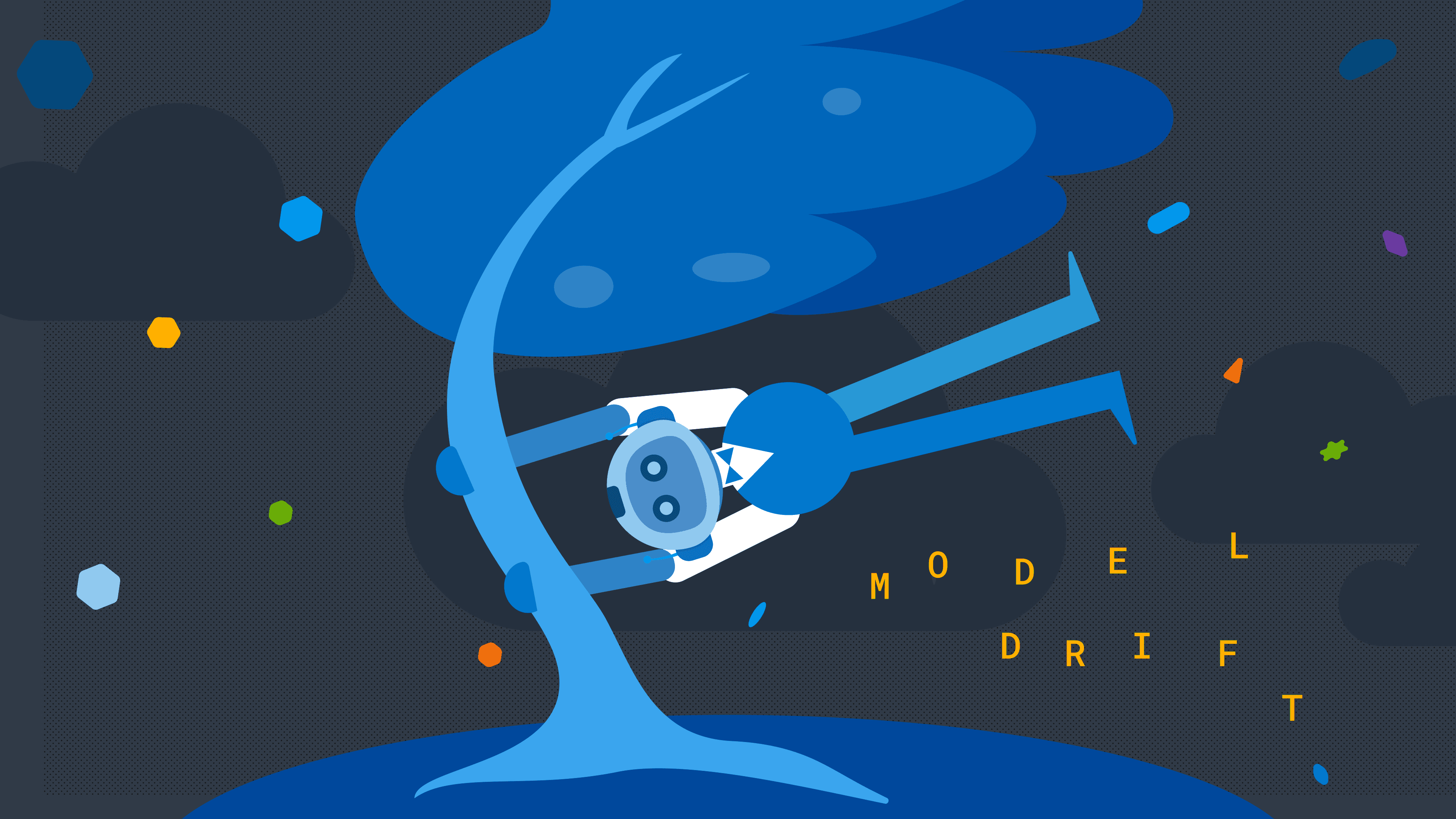

AI Model Drift: How to Keep Models Reliable
Learn what AI model drift is, why it happens, and how production teams detect changes in model quality, inputs, prompts, and behavior.
Introducing AI BubbleUp
Every BubbleUp query now surfaces significant correlations based on relevance, not just statistical analysis. Available today to all Honeycomb customers who have enabled Honeycomb Intelligence.
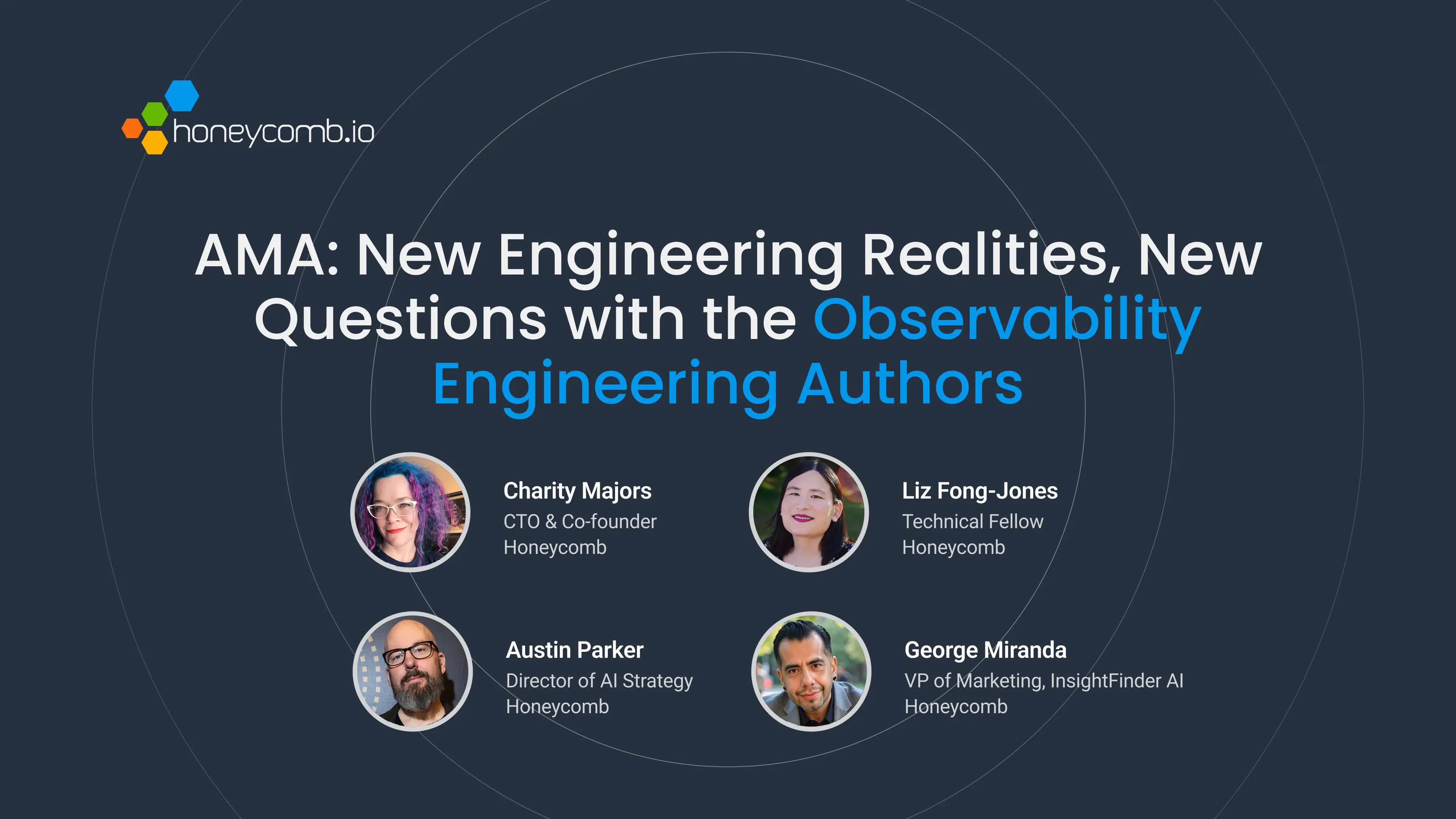
AMA Recap: More Answers From the Observability Engineering Authors
We couldn't get through every question during our live AMA with the authors of Observability Engineering, so Charity, Liz, George, and Austin stuck around to answer more on AI, telemetry, and what still needs a human in the loop.

Spend More Time Talking to Humans
LLMs have reshaped the day-to-day work of software engineering, leaving senior engineers exhausted by context-switching and junior engineers unsure how to grow. The fix isn’t a better prompt — it’s spending more time talking to humans: reducing context churn, pairing across seniority levels, and communicating more across teams.

Honeycomb Named a Visionary in the 2026 Gartner® Magic Quadrant™ for Observability Platforms
For the third consecutive year, Honeycomb has been named a Visionary in the Gartner® Magic Quadrant™ for Observability Platforms. The recognition reflects Honeycomb's vision for fast, flexible, high-cardinality querying, agent-era observability with Agent Timeline and Canvas, and predictable event-based pricing at trillions of events.
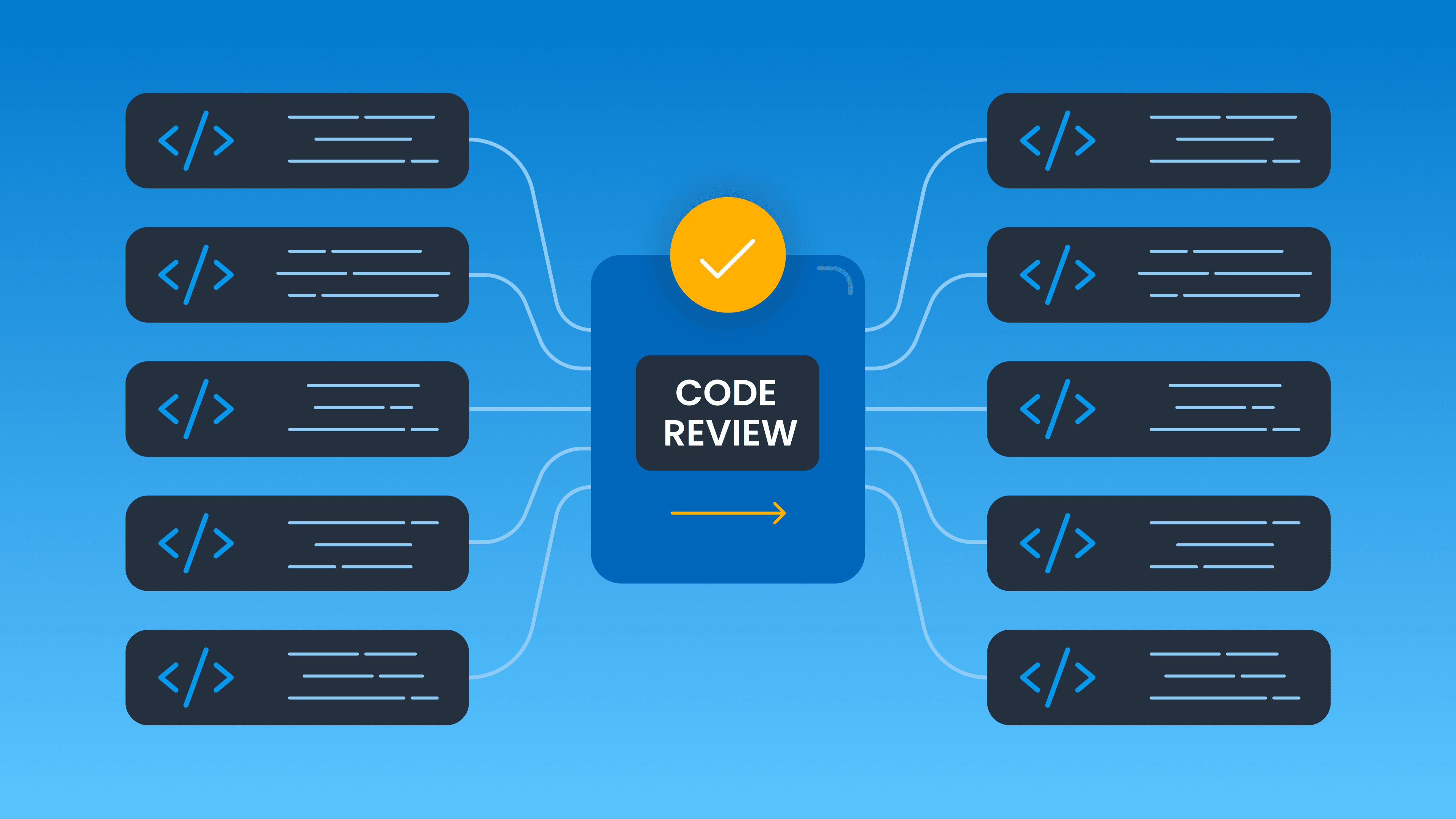

Embracing the Code Review Bottleneck
Faced with an endless stream of AI-generated code reviews, our team made the counterintuitive choice to lean into the bottleneck rather than reduce it. Surprisingly, velocity held up, knowledge sharing improved, and we developed a collective system ownership that stuck.
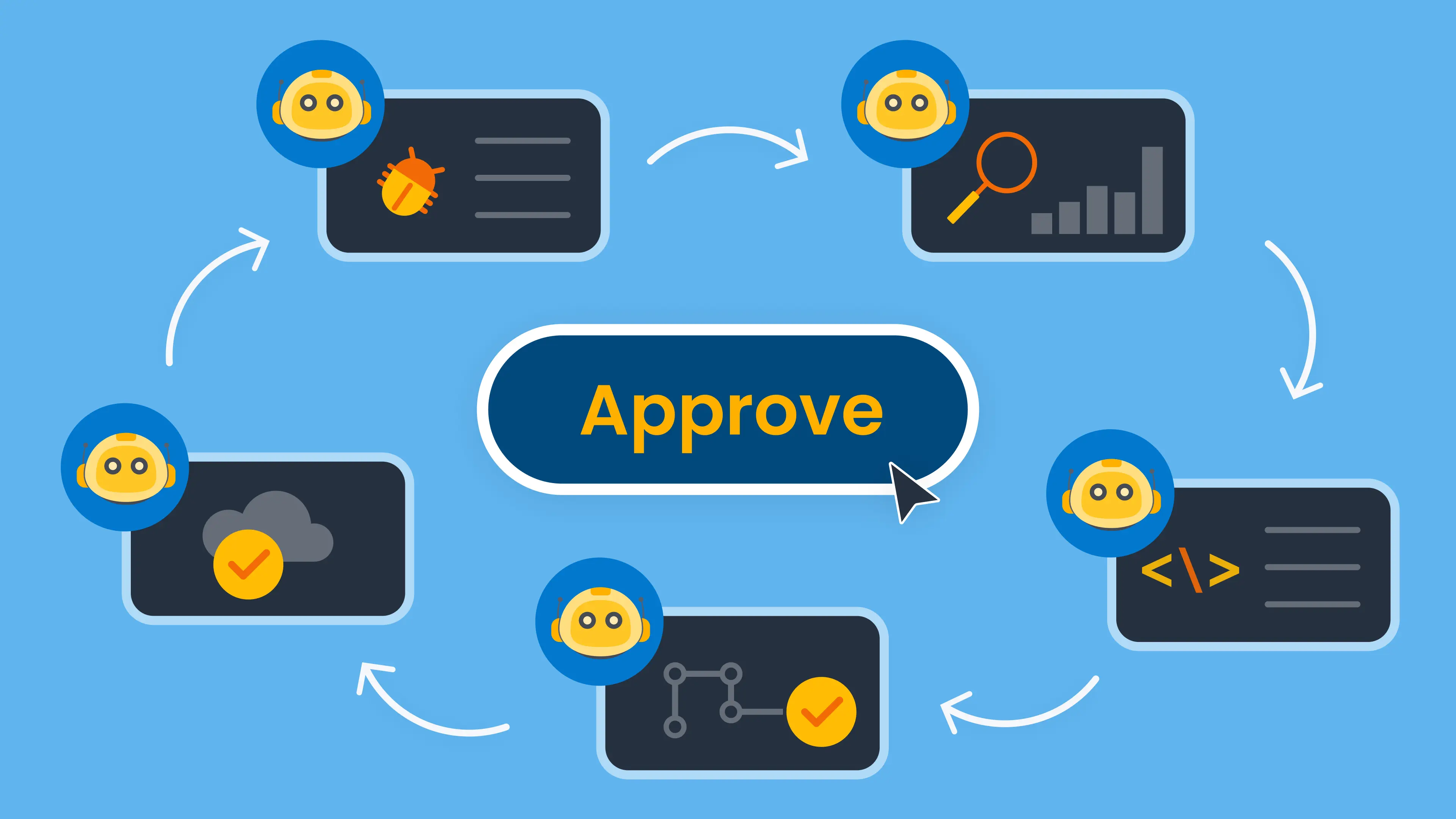
What Comes After Observability?
A year ago, I predicted ways in which AI was about to fundamentally change observability as we knew it. Here's what we've seen happen since—both at Honeycomb and with our customers—and what we're building for the future.
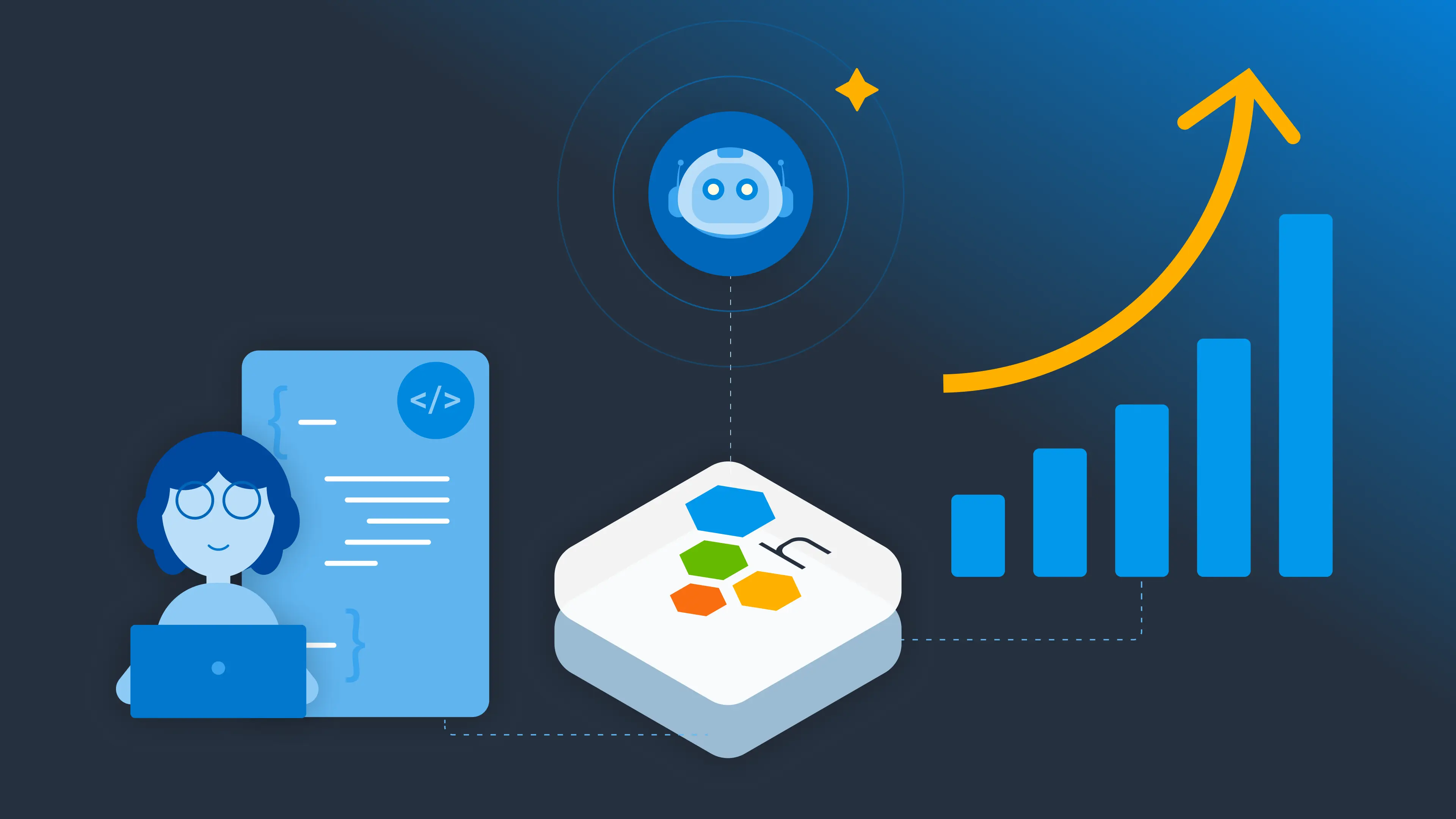

30 to 70 PRs a Day: How We Managed to Not Wreck Our Systems
The Honeycomb engineering team set out to double our productivity in a year. This is how we did it, what we did to keep things stable, what it cost us, and what we’re still figuring out.
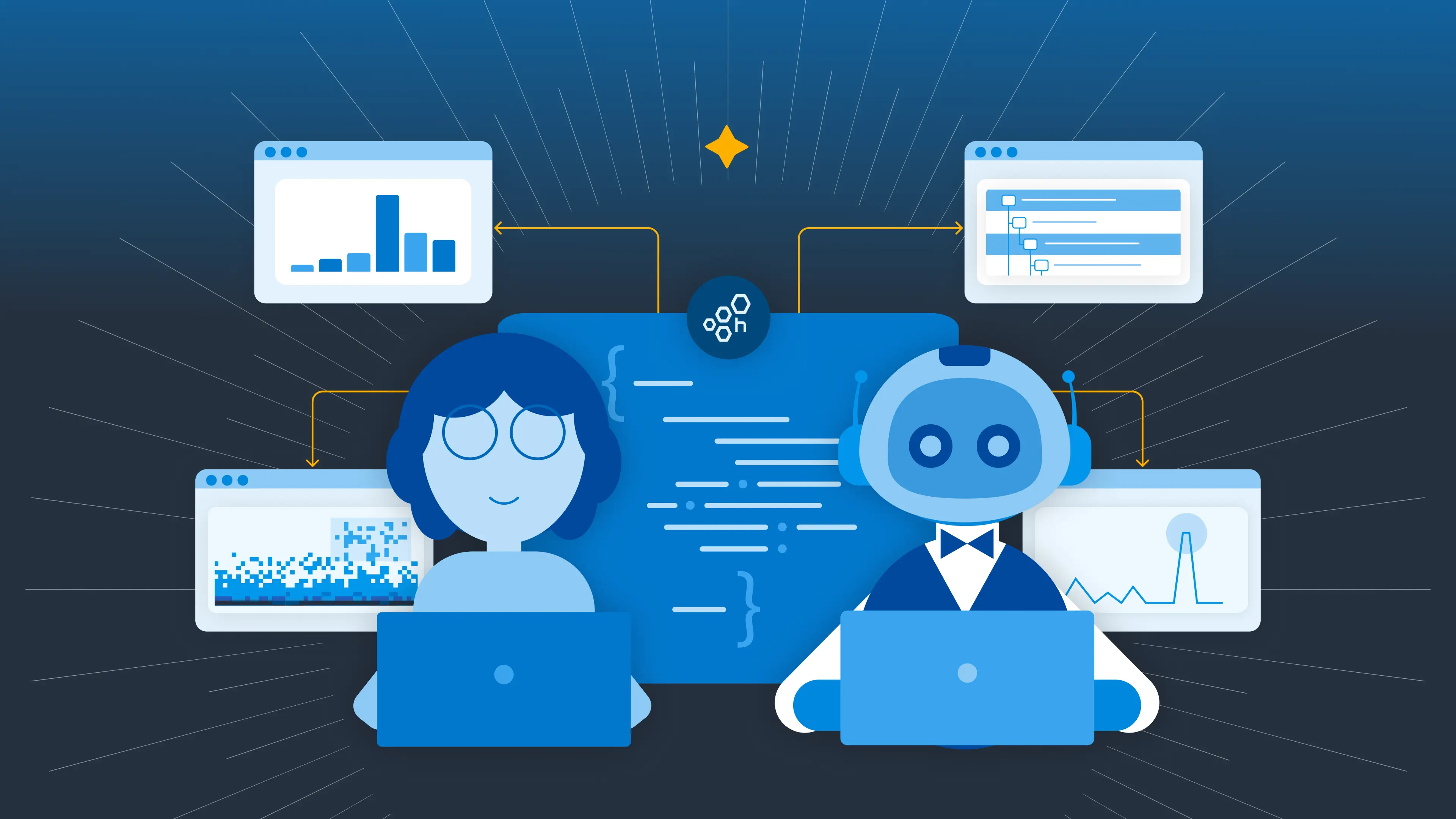
AI Amplifies Your Existing Practices: Lessons from Our Shift to an AI-First Strategy
As the Honeycomb engineering team worked to double our productivity, we learned a lot. The most important takeaway? Nothing anyone tells you about AI will land if your starting substrate is unhealthy.

Transforming How We Run Kafka at Honeycomb
We just completed a large-scale, multi-month Kafka migration project. We couldn't have done it without learning from past mistakes, prioritizing rollback safety, and building shared knowledge across the team through repeated migration practice.
Shipping Is Your Company's Heartbeat: A Letter from a CTO
In an open letter to engineering leaders everywhere, Fin CTO Darragh Curran explains that AI isn't a magic wand but rather an amplifier—of the good and the bad—of your engineering practices. And engineering rigor is more important than ever.